
Reconciliation that keeps the unit attached
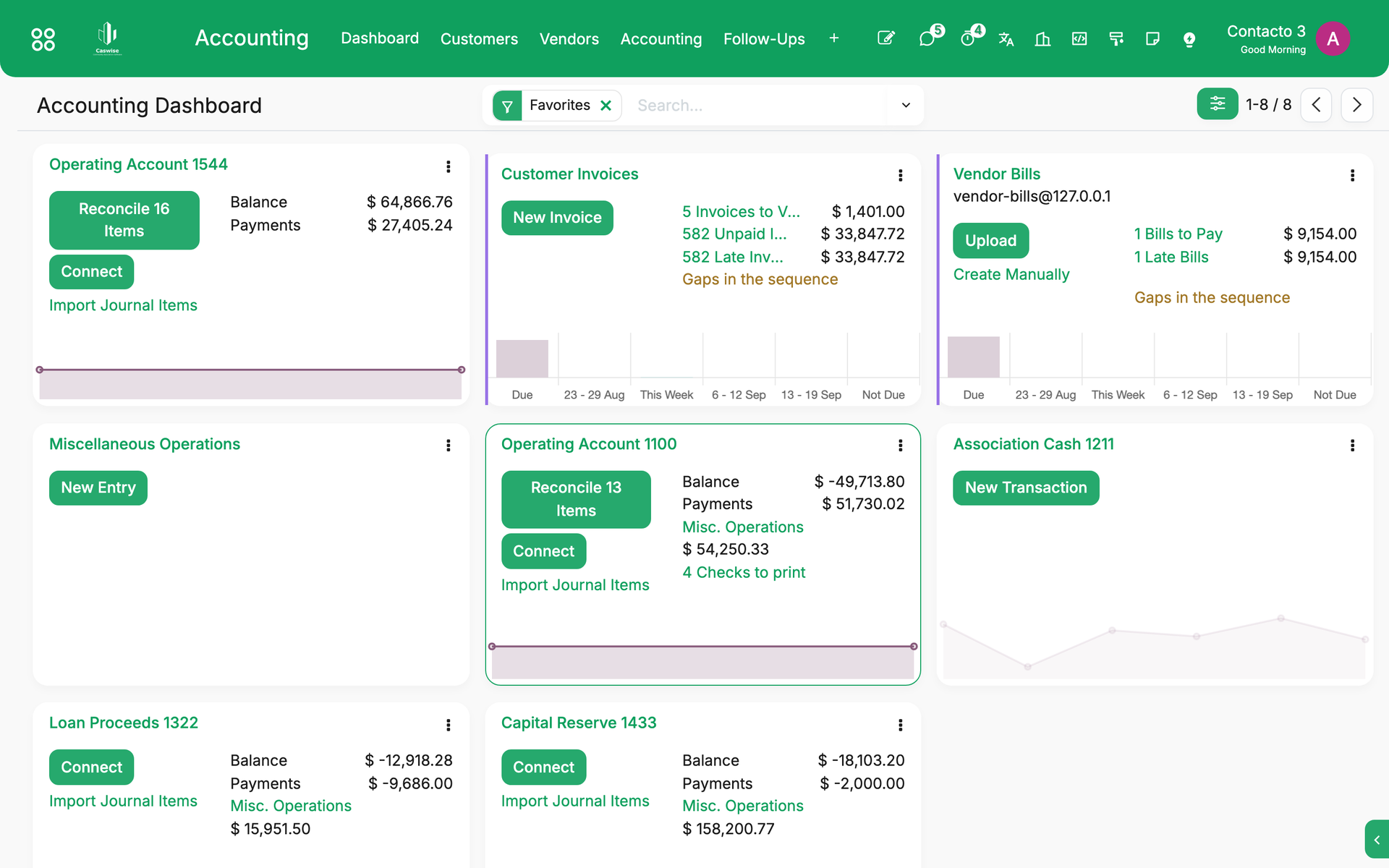
The bank feed matched against the association's receipts with the unit carried through every line, so a payment never lands on the wrong owner and the month closes on the figures the bank actually shows.
Statements straight from the bank
Bank statements imported from the association's own accounts, so reconciliation starts from what the bank says rather than from what somebody typed.
Matched to the right unit
A deposit is matched to the receipt and to the unit that produced it. The owner's ledger and the bank balance move together, not separately.
Rules for what repeats
Recurring items — the bank's own charges, transfers between association accounts, the merchant deposits — matched by rule instead of by hand every month.
Exceptions, not everything
What matched is done. What did not is a short list with a reason, which is the only part that needs a person.
Month-end that closes on the bank's numbers
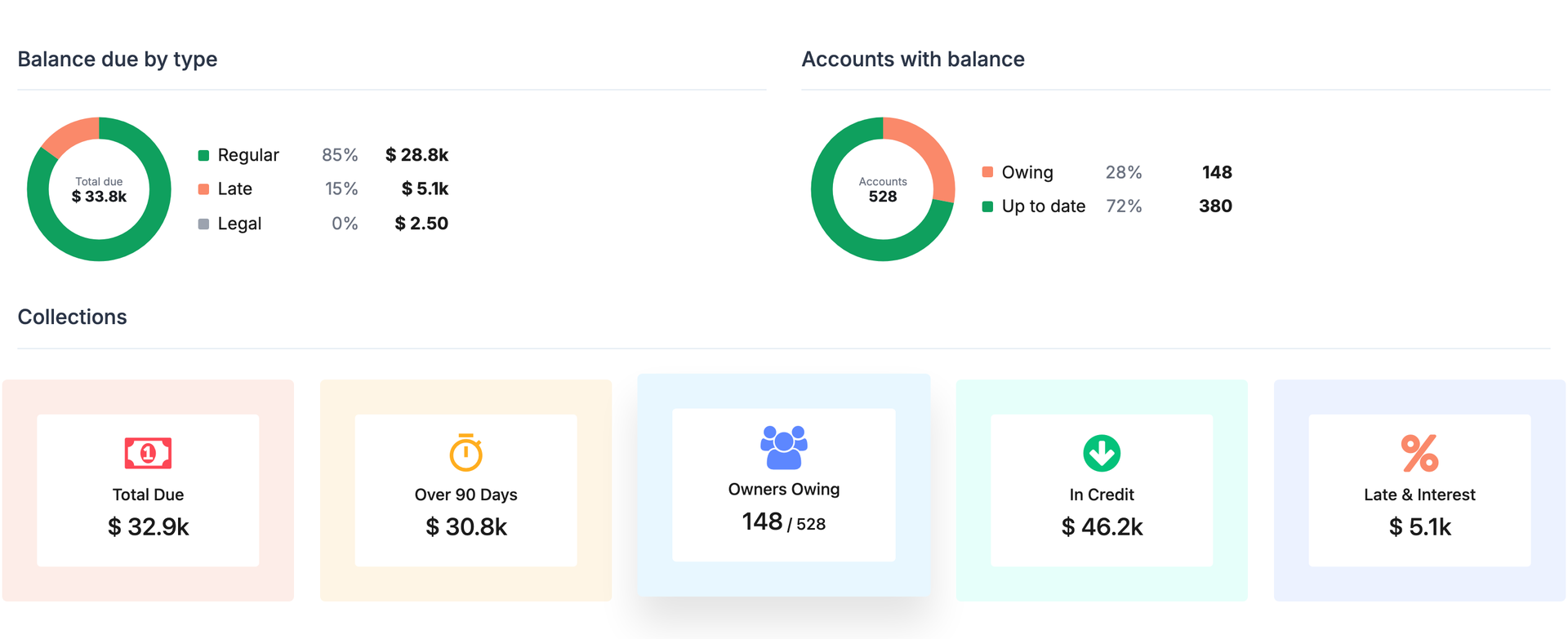
An association's books are only defensible if they agree with the bank. Reconciling inside the same system that issued the assessment removes the step where the two versions drift apart.
- Bank balance and ledger balance agreeing at close
- Every deposit traceable to the owner who paid it
- Differences visible while they are still small
- An audit trail the association's accountant can follow
Close the month on figures that agree
Tell us how many units you manage and how the community is run today. We will walk you through it with your own numbers in it.